
2026 Winter Season · Ersin Outdoor Buying Guide
Camp Stoves and Heaters for 2026: The Right Choice for Winter Camping
When planning a camping trip on cold days, there’s another issue just as important as your camp stove: where you’ll use it, what fuel you’ll use, and under what safety conditions. This guide was created to help you understand the differences between stove models and avoid choosing the wrong stove.
If you’re looking for a camping stove while preparing for a winter camping trip, you’ll come across many product names that sound similar: kerosene heater, wood-burning stove, portable stove, foldable tent stove, and camping stove. However, products with similar names may differ in terms of fuel type, portability, and permitted conditions of use. When reviewing the stove models available at Ersin Outdoor, you should first clarify exactly what need you’re trying to meet.
The first step isn’t “which model is more powerful?” but “where exactly will I use this unit?” Next, compare the fuel type specified by the manufacturer, the capacity, ease of access to parts, cleaning requirements, and setup instructions. A stove suitable for outdoor use is not automatically suitable for use inside a standard tent. The three stove models on this page are intended to help you understand the available product options; they do not claim to be suitable for every application.
Are a Tent Stove, Portable Heater, and Camping Cookstove the Same Thing?
No. A camping cookstove is primarily designed for boiling water and preparing meals. A portable heater, on the other hand, is primarily intended for heating. Equipment such as a folding wood-burning tent stove or a chimney-equipped stove may require separate setup, fuel, and hot surface management. The fact that some products have multiple functions does not mean they can be used in the same way under all conditions.
The inclusion of the words “tent,” “stove,” or “heater” in product names does not constitute approval for use. While one user may evaluate the same product for use in an open-air camp kitchen, another may seek it for heating purposes inside a shelter. In the latter case, risk and suitability assessments are far more critical.
If your main goal is preparing meals, see our guide to gas, gasoline, and multi-fuel camping cookstoves. This article focuses on purchasing reviews of products in the stoves and heating category.
What questions should you ask when choosing a camping stove for winter?
1. Has the intended use been approved by the manufacturer?
This is the most important criterion. Placing a stove designed for outdoor use inside a tent completely changes the stove’s operating conditions. If the manufacturer’s documentation regarding the intended use, ventilation requirements, and installation instructions is unclear, do not make assumptions without consulting the seller. The presence of a ventilation opening alone does not guarantee safe use.
2. What type of fuel does it use, and how will the fuel be transported?
For models that run on kerosene, wood, or other fuels, the conditions for procurement, storage, temperature, and transportation vary. Using a fuel not specified on the label can pose serious hazards. Do not make decisions regarding fuel compatibility or burn time based solely on the product name.
3. How much space does the stove take up?
A hiking route to a campsite accessible by car does not require the same level of preparation. Consider not only the weight, but also the size when folded, portable accessories, and the packing process once the hot items have cooled down. A foldable design does not eliminate the need for safe setup.
4. What are the cleaning and parts requirements?
It could be a wick, a connector, a chimney part, or some other component. The availability of replacement parts is an advantage; however, similar dimensions or brand names do not guarantee compatibility. Instead of choosing a stove with unclear maintenance instructions just because “it’s easy to clean anyway,” review the manufacturer’s documentation.
5. What is the real need: a hot meal or warmth in an open space?
If you determine your purpose from the start, you won’t end up in the wrong category. For most campers, a good sleeping bag, an insulated mat, and properly layered clothing are the foundation of safe temperature management while sleeping. Running a fuel-powered heater inside a closed tent all night long is not a substitute for these.
Kerosene, wood-burning, and foldable camping stove options
When evaluating kerosene-fired systems
For users looking for a kerosene stove, the main questions to consider are the fuel recommended by the manufacturer, the wick system, maintenance instructions, outdoor usage conditions, and safe fuel storage. Issues such as the fuel cap, leak-proofing, or part replacement should be checked in the product’s documentation. Marketing claims such as “low odor” or “low emissions” do not eliminate the risk of carbon monoxide.
When evaluating wood-burning or chimney-based systems
For wood-burning equipment, key considerations include combustion control, hot surfaces, the chimney system, and the risk of sparks and fire. The distance of the installation site from flammable materials and the chimney’s compliance with the manufacturer’s specifications must be verified. Adding a random chimney opening or accessory will not make the shelter safe.
What do folding frames make easier?
Packing a foldable heater may be more convenient; however, the mechanical parts must be unfolded, locked into place, and assembled according to the manufacturer’s instructions. Since dimensions and weight vary by brand, use the verified information on the product page when making numerical comparisons.
Featured camping stove models at Ersin Outdoor
The stove models listed below are three actual products available for purchase on the Ersin Outdoor product pages. The order in which they appear here does not represent a performance test or a universal “best models” list. Our goal is to illustrate different product types and make your selection easier. Always check the product page and the manufacturer’s instructions for current stock, technical specifications, and usage restrictions.
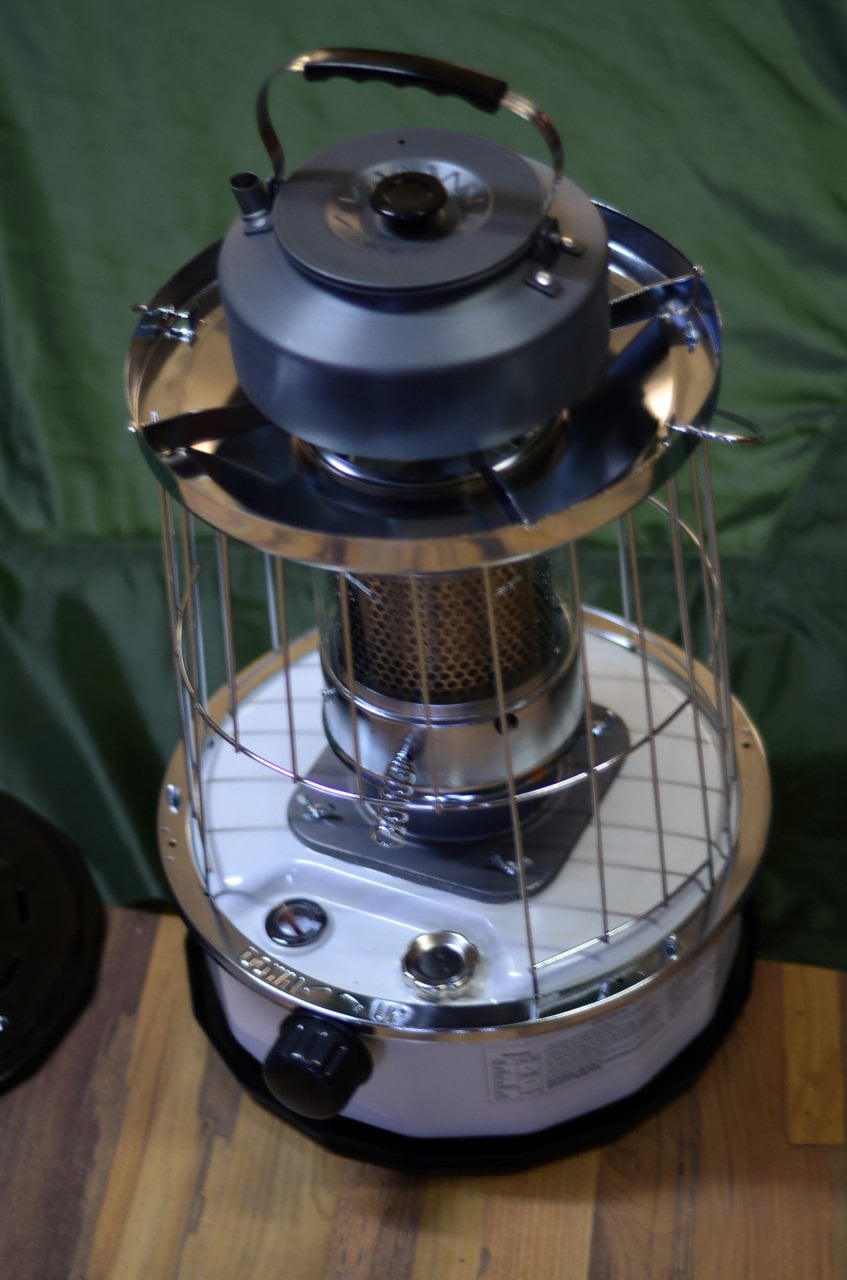
BushCraft Kerosene Camping Stove
A stove model that can be directly compared by users evaluating kerosene-powered devices. Before purchasing, check the correct fuel type, wick maintenance, and permitted operating conditions.
It is listed on the product page as a kerosene stove/heater/cooker. This description does not constitute approval for safe use inside a standard tent.
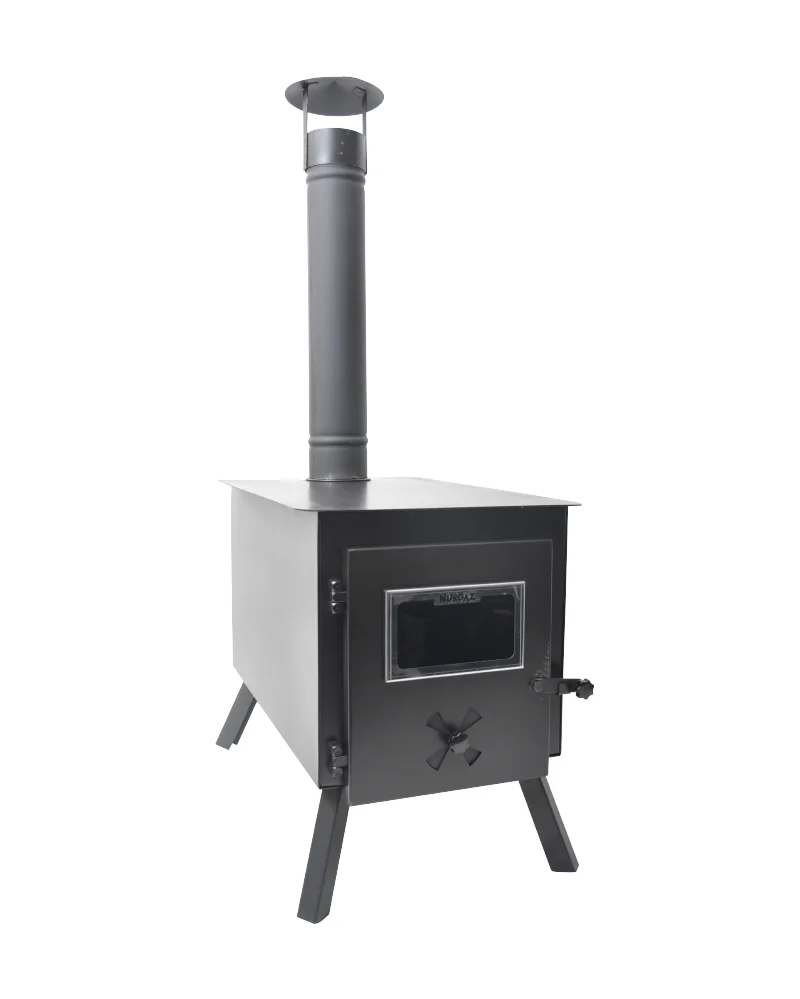
Nurgaz Tent Camping Stove
Another option for users looking for a Nurgaz-brand camping stove. The body, setup, fuel, and accessory compatibility should be evaluated based on the product documentation.
The fact that the product name includes the word “tent” does not mean it is approved for use in all tents or enclosed spaces.
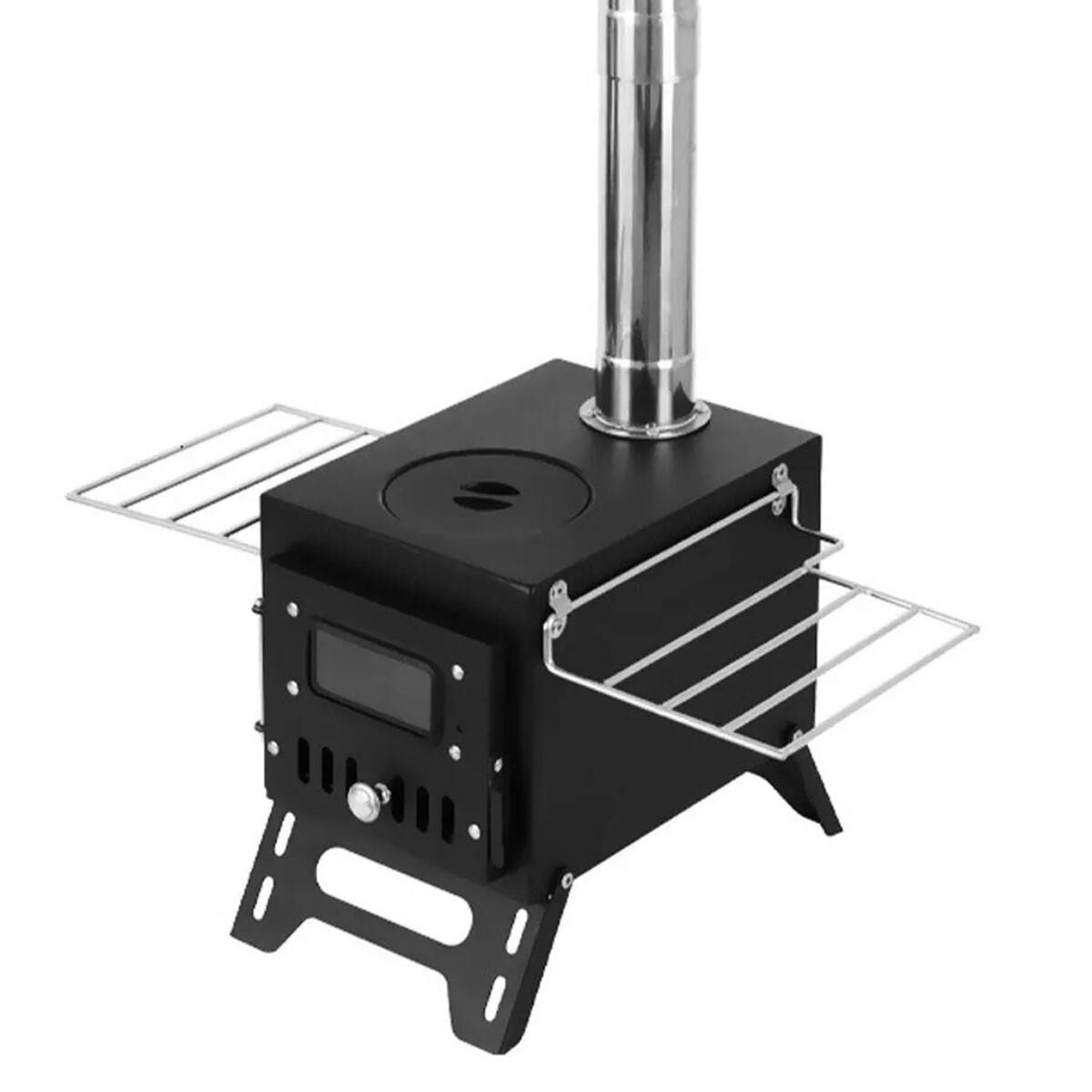
Madfox Woodlander Portable Folding Stove
A product worth considering for those looking for a foldable design. In addition to ease of transport, proper installation by the manufacturer, management of hot components, and all system components are important.
No unverified claims are made regarding technical performance or the safe use of enclosed spaces.
Product photos were taken from the relevant product pages on Ersin Outdoor. Availability may change over time. Temperature, power, weight, or consumption data not included in the technical documentation are not provided as estimates in this guide.
Which camping stove makes more sense? A quick comparison
When deciding between the three stove models, focus on the features you can verify rather than the product name. This table shows the differences you should check when shopping, rather than a definitive performance ranking.
| Option | Featured definition | Please confirm before purchasing |
|---|---|---|
| BushCraft Kerosene | Kerosene camping stove / heater / cooktop | Fuel standard, spark plug compatibility, maintenance, and the environment permitted by the manufacturer |
| Nurgaz Tent Camping Stove | Nurgaz-brand camping stove | Manufacturer's instructions for use, unit and flue layout, compatible components |
| Madfox Woodlander | Portable, foldable camping stove | Installation steps, space required during transport, appropriate fuel, and installation conditions |
Numerical characteristics such as power, efficiency, heating area, or fuel consumption should only be compared when verified by official stove model data. Claims such as “heats the most” or “safest” can lead to an incorrect purchasing decision when used without supporting documentation.
Select based on your use case
A campground accessible by car
On routes where weight isn’t as critical, users can consider different types of stoves. However, campground rules, local fire restrictions, whether the stove is intended for outdoor use only, fuel storage, and nearby flammable surfaces are key factors to consider. Being near the vehicle does not mean the stove can be used inside it.
Long hike and backpacking trail
Every extra item increases the carrying load. For most hikers, it may be more practical to plan for the night with a suitable sleeping bag, a highly insulated sleeping pad, and layered clothing instead of a stove. If you need equipment to prepare daily meals, start with our camping cookstove buying guide rather than the heating-stove category.
Those going on a winter camp for the first time
You do not need to rely on a fuel-powered heater for your first camping trip. Consider the expected overnight low temperature, wind conditions, the likelihood of wet weather, and your emergency return plan. If your sleeping system isn’t adequate, purchasing a heater won’t ensure a safe overnight stay. Guidance from an experienced instructor is helpful when selecting equipment.
Camp Stove Safety: Don’t Underestimate the Risks of Carbon Monoxide and Fire
The fact that these products look simple on the outside does not change the risks associated with combustion gases and hot metal surfaces. The risk of carbon monoxide poisoning and fire increases, especially with a stove that runs overnight. Bringing the stove inside a tent “for a short time to warm it up” is also not a safe solution.
- Read the manufacturer's manual: Evaluate the permits for the stove, fuel, connecting parts, and installation site within the same system.
- Stay away from flammable surfaces: Check the position of the fabric, ground cover, tent rope, tree branch, or fuel container.
- Store fuel safely: Leaks, the use of the wrong fuel, and storing the device near a heat source pose a serious hazard.
- Do not move the device until it has cooled down: Follow the manufacturer's specified cooling conditions when disassembling or packing the parts.
- Do not use damaged components: Do not start the appliance if there is a problem with the wick, connection, or chimney component.
- Don't rely solely on an alarm system indoors: A carbon monoxide alarm does not make an unsuitable stove or an incorrect installation safe.
Headaches, dizziness, nausea, weakness, or confusion may be related to carbon monoxide exposure. If you suspect this, stop using the stove, go outside into fresh air immediately, and call for emergency help. Also read the Ersin Outdoor technical safety information. This guide does not replace the manufacturer's official instructions.
Camp stove accessories and replacement parts
When a replacement part compatible with the product is needed for maintenance, the exact model name is important. Ersin Outdoor also offers a replacement kerosene stove wick. This does not mean it is compatible with any kerosene stove; please confirm the compatibility of the wick and the stove with the relevant manufacturer or seller.
The catalog also lists a Bushlove stove chimney outlet accessory. However, creating an exhaust vent in tent fabric, adding a chimney system, or using a protective cover does not make the use of a stove in a shelter safe if it has not been approved by the manufacturer. Avoid such modifications unless compatibility, heat resistance, and installation approval have been verified.
When selecting accessories, remember that each product is not an independent part: the fuel, flue, connections, and body form a system in which each component affects the others. Your priority should not be the right product, but the right the entire installation ...must be.
Common Mistakes When Buying a Camping Stove
- Making a decision based solely on the headline: The term “tent stove” does not constitute general permission for indoor use.
- Failing to check inventory levels: A model featured on the blog may sell out later. Check the product page before purchasing.
- Relying on the promise of heating without documentation: It is not appropriate to make judgments about power and efficiency without specifying the actual operating conditions.
- Choosing the wrong fuel: Using a fuel type not specified by the manufacturer poses a serious safety risk.
- Thinking of a chimney or wick as universal: Parts compatibility may vary by brand and model.
- Connecting the night heater to the stove: Neglecting your sleeping bag, sleeping pad, and clothing system poses a risk in cold weather.
- Viewing weight as the sole criterion: Installation, transportation, cleaning, and safety documents are also part of the decision.
Checklist Before Buying a Camping Stove
Before adding the product you’ve chosen to your cart, please review the following items. You can complete your equipment plan by checking the boxes.
Frequently Asked Questions About Camping Stoves
Can a camping stove be used inside a tent?
No, not for general use. Fuel-burning devices pose a risk of carbon monoxide poisoning, fire, and burns. However, special systems explicitly approved by the manufacturers of the relevant stove and shelter are evaluated separately. If there is no such documented approval, do not use the stove inside a standard tent or enclosed vehicle.
What is the difference between a portable tent stove and a camping cookstove?
A camping cookstove is typically designed for preparing meals and hot beverages. A portable heater, on the other hand, may be designed specifically for heating purposes. The two products do not necessarily have to share the same fuel type or safety requirements.
What kind of fuel should be used in a kerosene stove?
Only the fuel explicitly specified in the product’s manufacturer’s documentation should be used. Using the wrong fuel can increase the risk of fire, leakage, and poisoning.
Is a foldable camping stove better?
A foldable design can make transportation and storage easier. However, this feature alone does not guarantee higher performance, lower risk, or suitability for all environments. Be sure to review the installation and usage conditions separately.
How many square meters does a camping stove heat?
There is no single answer to this question that applies to every model. Power, outdoor temperature, wind, shelter type, and usage approval are all important factors. If the manufacturer has not provided verified heating area information, do not rely on estimated figures.
Does installing a chimney outlet make the tent suitable for use with a stove?
No. The presence of a chimney outlet does not mean that the tent fabric and the entire setup are manufacturer-approved. Incompatible setups can cause fires and carbon monoxide poisoning.
Should a camp stove be left on while you sleep at night?
Do not leave portable fuel-powered devices running inside a tent, RV, or enclosed space while you sleep. For a safe night’s sleep, prioritize a properly rated sleeping bag, sleeping pad, and layered clothing.
Where can I view the camping stove options at Ersin Outdoor?
You can review current models, product specifications, and purchasing options in the Stoves and Heating category. Availability and features on product pages are subject to change.
Complete your winter camping gear with the right choices
After comparing fuel, portability, and manufacturer safety requirements, take a look at the current camping stoves and heaters available at Ersin Outdoor. Check the current stock and technical details on the products’ individual pages.
Explore Our Camping Stoves and HeatersAny fuel-powered stove or heater should be used only in environments approved by the manufacturer and in accordance with the specified instructions.