
Best Winter Hiking Pants: 8 Outdoor Models
On a cold morning, the right pair of hiking pants should let you bend your knees freely, help protect your legs from the wind, and manage the moisture that builds up as you walk. A thick fabric may feel warm at the trailhead, but if you overheat on a steep climb, that advantage can disappear when you stop for a break.
The best winter hiking pants balance weather protection, warmth and freedom of movement for the conditions you actually face. In this guide, we compare eight real models from the Ersin Outdoor range, from fleece-lined trousers and membrane-equipped softshells to women's technical outdoor pants and insulated winter shells.
For dry, chilly weather and everyday use, start with Bushlove Peak Pro Winter. For a fleece-lined softshell with stated wind and water protection, compare Bushlove Crane and High Mountain Alpin. Active trekkers can look at the Evolite Blackhole and Helinox, while VAUDE Elope offers a women's-cut alternative. For colder, snowier and more demanding routes, VAUDE Strathcona and 5.11 Bastion offer different approaches to insulation and outer-shell protection. The best choice is not necessarily the thickest pair; it is the one that suits your route and the way you move.
Prefer to read this guide in Turkish? Read the original Turkish edition.
Quick choice: Which winter hiking pants suit your needs?
Think about your most frequent activity before buying. Trousers for an everyday walk in town do not have to be the same as the pair you take on a snowy mountain route.
Dry, cold days and weekend walks
Prioritise stretch, a comfortable lining, a cut that lets you move and practical pockets. Fleece-lined options such as Bushlove Peak Pro Winter are a good place to start.
Climbs, rocky paths and a changing pace
Freedom to bend your knees, fabric stretch and moisture management become more important. Consider technical softshells such as Evolite Blackhole or Helinox.
Exposed ridges, sleet and intermittent rain
Check the membrane, hem fit and seam construction. The 10,000 mm water-column ratings stated for Crane and Alpin provide one useful comparison point.
Prolonged cold, snow and more demanding weather
Insulation, an outer shell and the way the hems work with boots become more important. Compare technical options such as VAUDE Strathcona and 5.11 Bastion according to your conditions.
The warmth you feel changes with wind, moisture, exertion, your base layer and the length of your breaks. A fleece lining or insulation is not a guarantee of comfort at a particular sub-zero temperature.
Fleece-lined hiking pants vs. softshell pants
These terms are often used as if they mean the same thing. In fact, fleece lining describes the inner surface and its contribution to warmth, while softshell generally refers to a flexible outer fabric designed for movement and a particular balance of weather protection and breathability. A pair of pants can be both softshell and fleece-lined.
Fleece-lined pants
A brushed or fleecy inner surface can help reduce the feeling of cold fabric against the skin and improve warmth. This is useful in dry cold and during lower- to moderate-intensity activity.
When to consider them: everyday use, camp breaks and chilly trails.
Softshell pants
Stretch fabrics make it easier to walk, crouch and take high steps. Membrane-equipped and membrane-free softshells differ in wind resistance, rain protection and airflow.
When to consider them: active trekking and changing weather.
Technical shells and insulation
Some winter trousers combine a weather-resistant outer shell with insulation, adjustable hems or integrated gaiters. These features become more relevant as the conditions become demanding.
When to consider them: prolonged snow exposure and wet winter routes.
Water repellency, waterproofness and wind protection
A durable water-repellent (DWR) treatment helps water bead on the surface of the fabric. This alone does not make the whole garment waterproof. A membrane is a separate technology used to limit water passing through the fabric. Seams, zippers, hems and pocket openings also influence how the finished garment handles weather.
For example, a stated hydrostatic-head rating of 10,000 mm is a fabric test measurement. Whether the seams are taped and how the garment is constructed are separate questions. If you expect sustained rain, do not rely on the word “waterproof” in a product name without checking the details.
Best winter hiking pants: Eight models to consider
The following selection is based on the specifications of actual products in the Ersin Outdoor range. Different colours of the same model are not counted as separate technical designs. Bushlove is represented by two relevant options, with additional choices from High Mountain, Evolite, VAUDE and 5.11 for different types of winter use.
Fleece-lined and softshell options for everyday winter use
A winter hiking pant should protect you without unnecessarily limiting movement. This group brings together flexible, lined and membrane-equipped trousers for everyday wear, windy conditions and rocky trails.
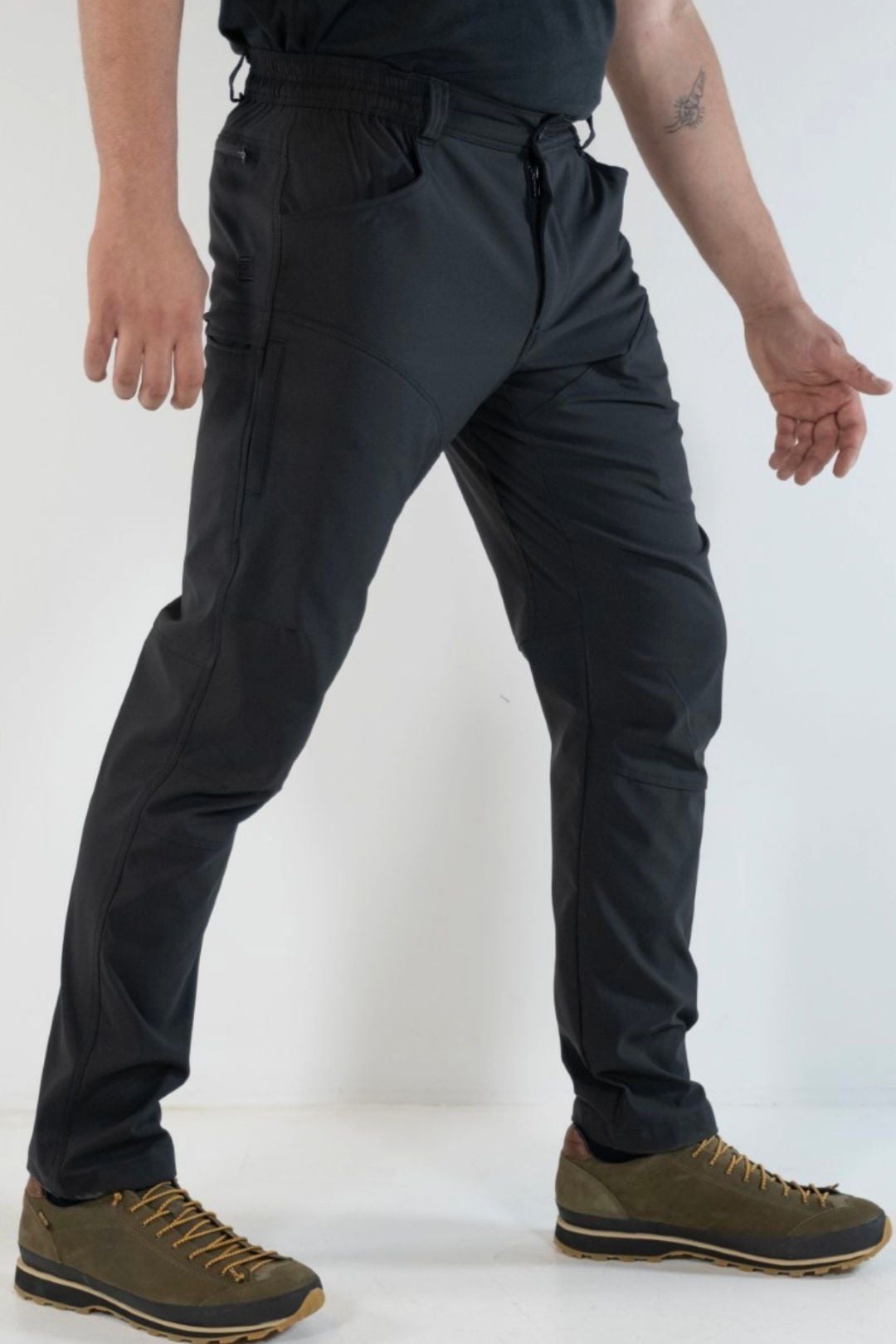
Peak Pro Winter
Everyday wear · dry cold- Construction
- Fleece lining, stretch fabric
- Technical detail
- 92% nylon, 8% Lycra
A sensible starting point if you want one pair of trousers for everyday winter wear and weekend walks. Its stretch fabric and multiple pockets support comfortable movement. The product description also highlights quick drying, which is useful when the fabric becomes damp.
Keep in mind: The listing does not specify a waterproof membrane or hydrostatic-head rating. Do not treat it as a standalone waterproof shell in prolonged rain.
Explore this model →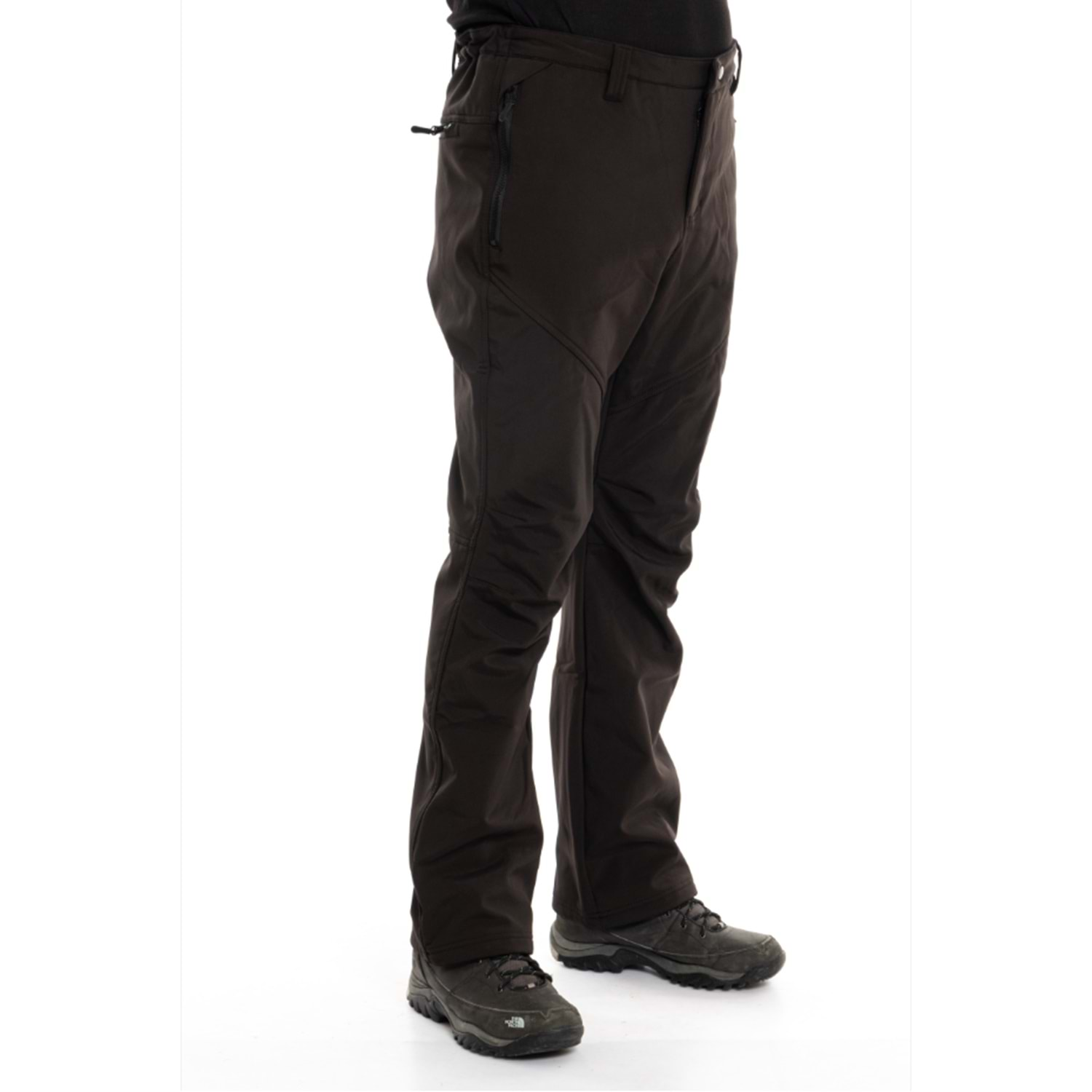
Crane Softshell
Wind · precipitation · cold- Construction
- Fleece lining, membrane
- Technical detail
- 10,000 mm hydrostatic head
Crane is worth a closer look if you want a stretchy, fleece-lined softshell with a membrane. Its product description specifies a 10,000 mm water column, moisture transfer and wind protection. It is especially relevant for exposed walks where the wind and changing weather matter.
Keep in mind: A fabric's hydrostatic-head rating does not tell you whether every seam is taped. For sustained precipitation, check seam construction and consider a separate waterproof shell if needed.
Explore this model →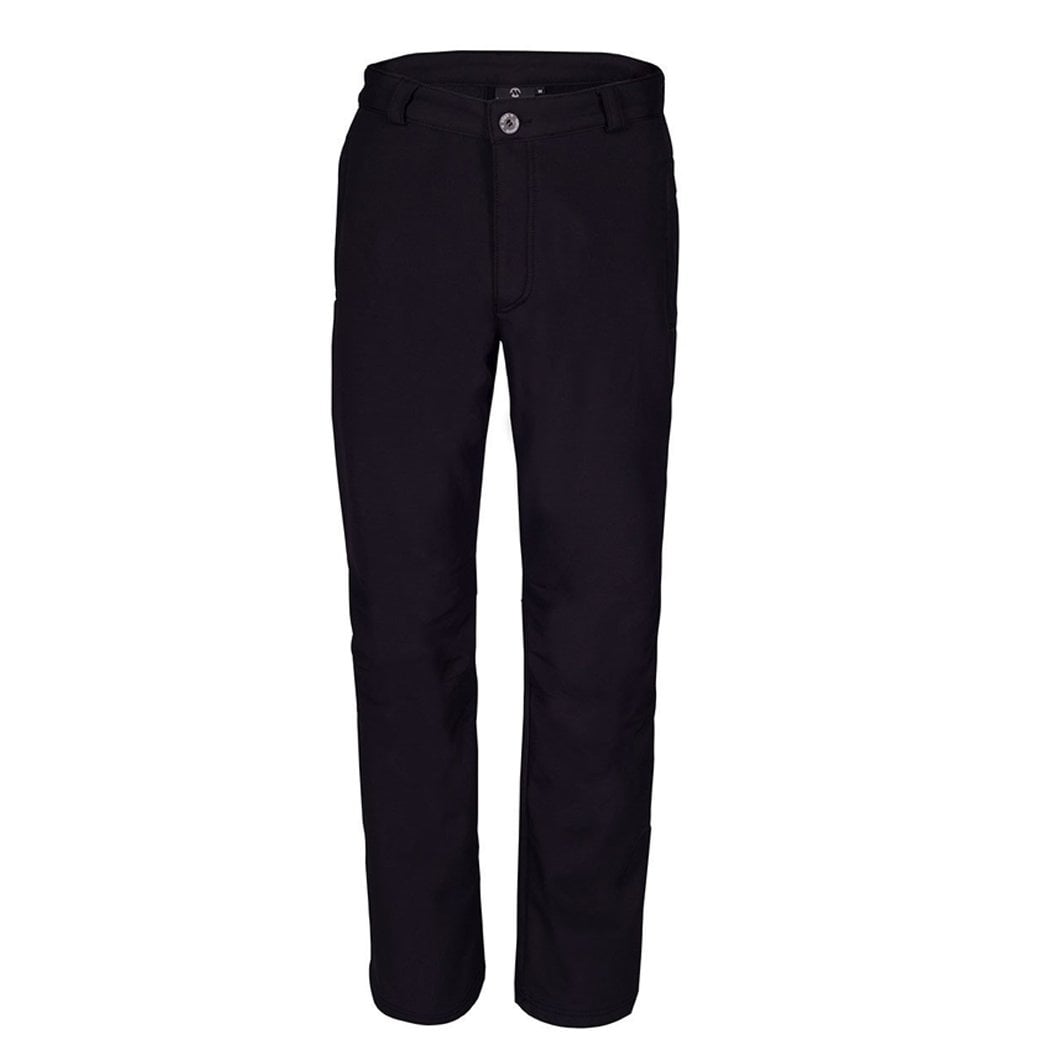
Alpin Softshell
Windy winter hikes- Construction
- Fleece lining, windproof construction
- Technical detail
- 10,000 mm hydrostatic head
Alpin combines a fleece interior with a moisture-transferring membrane and wind protection, according to its product description. It gives walkers another option when comparing membrane-equipped trousers for cold, exposed trails.
Keep in mind: Ventilation and freedom of movement matter in membrane-equipped clothing. Check the sizing chart and available sizes before choosing.
Explore this model →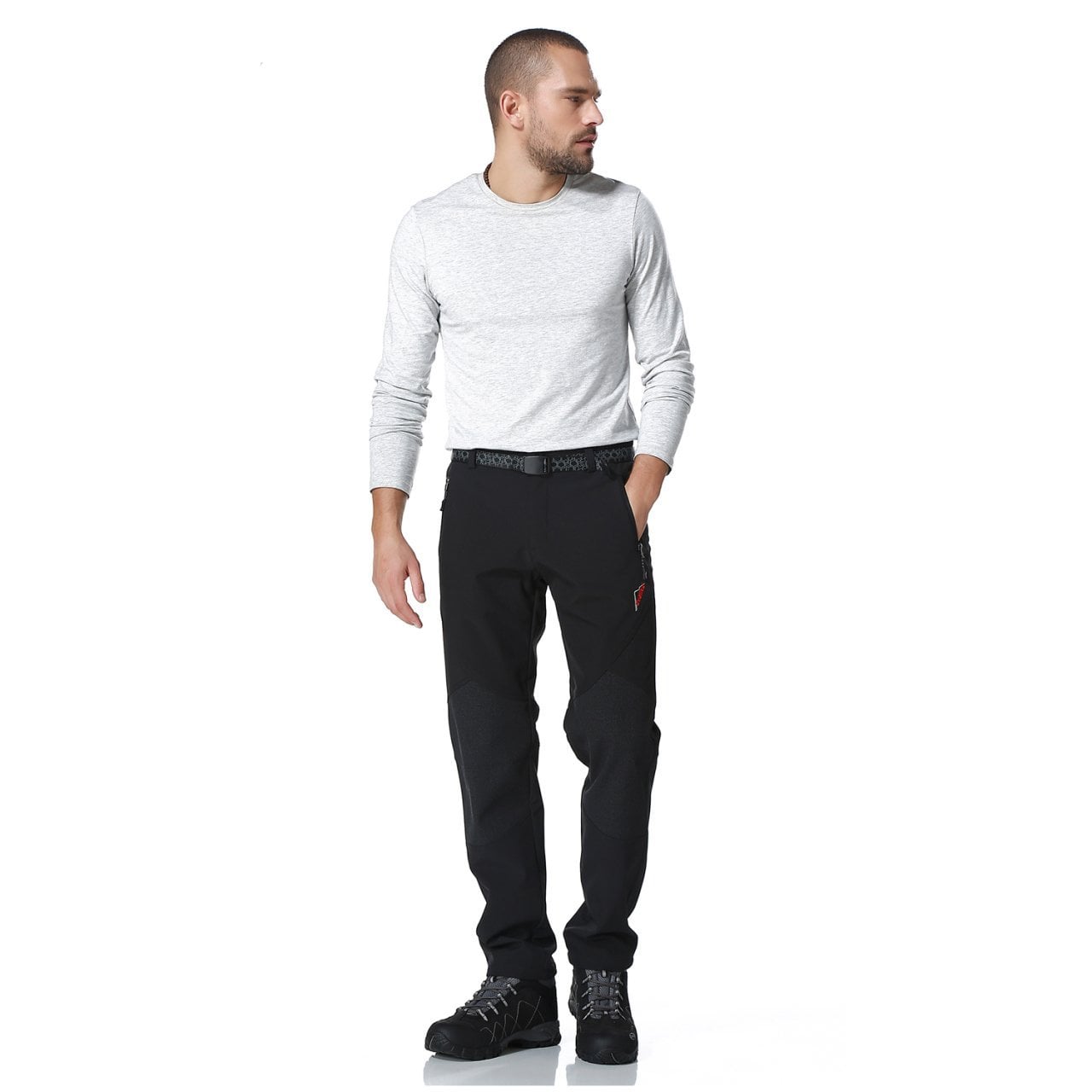
Blackhole Softshell
Winter trekking · rocky trails- Construction
- Evotex® softshell, fleece lining
- Technical detail
- 550 g (size M, including belt)
Blackhole uses fleece-lined Evotex® fabric, articulated knees and Kevlar fabric reinforcement at the knees and rear. The listing specifies 92% polyester and 8% spandex, with a weight of 550 g for size M including the belt. It is a useful option for cold-weather walks where freedom of movement and wear-prone areas matter.
Keep in mind: Reinforced areas help address abrasion; they do not make the trousers certified protective equipment or guarantee protection from injury. Consider heat and moisture management during active walks.
Explore this model →For everyday use, you can start with the flexibility of Peak Pro Winter and compare Crane and Alpin if you need more clearly specified wind and rain protection. Blackhole takes a different approach, with reinforcement at the knees and rear. Explore the men's outdoor pants collection.
Active trekking, women's fit and technical winter conditions
The second group includes a softshell designed for active outdoor movement, a technical women's-cut option, and two models that combine weather protection with insulation. You do not need every technical feature if your usual routes are less demanding.
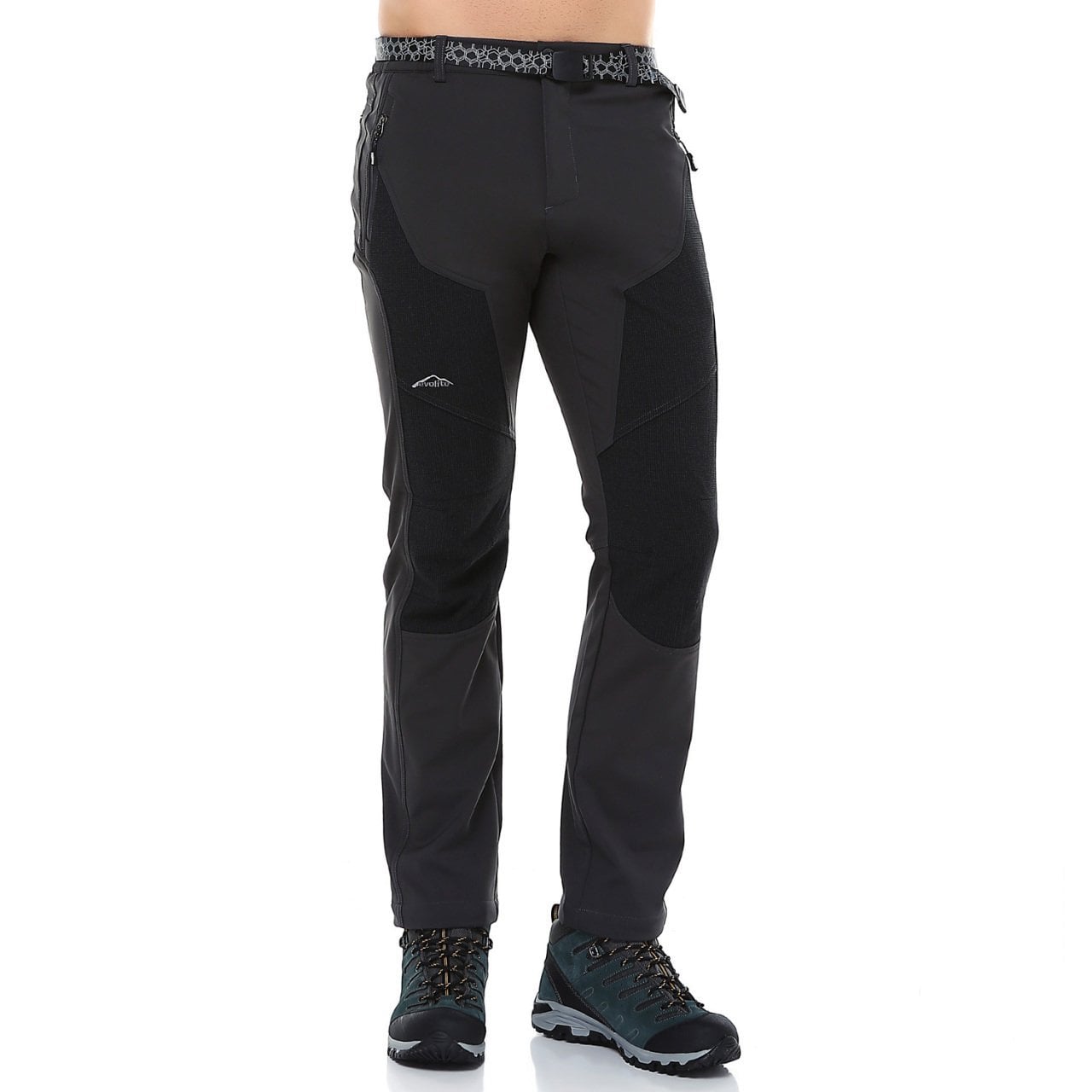
Helinox Softshell
Active trekking- Construction
- Evotex® softshell, fleece lining
- Technical detail
- 92% polyester, 8% spandex
Helinox combines a fleece interior, articulated knees, Kevlar fabric support at the knees and four zipped pockets. It is worth comparing if you want stretch and secure access to pockets on active hikes.
Keep in mind: Match your waist and inside-leg measurements to the size chart. The product listing describes weather protection but does not supply a numerical water-column rating for a direct comparison.
Explore this model →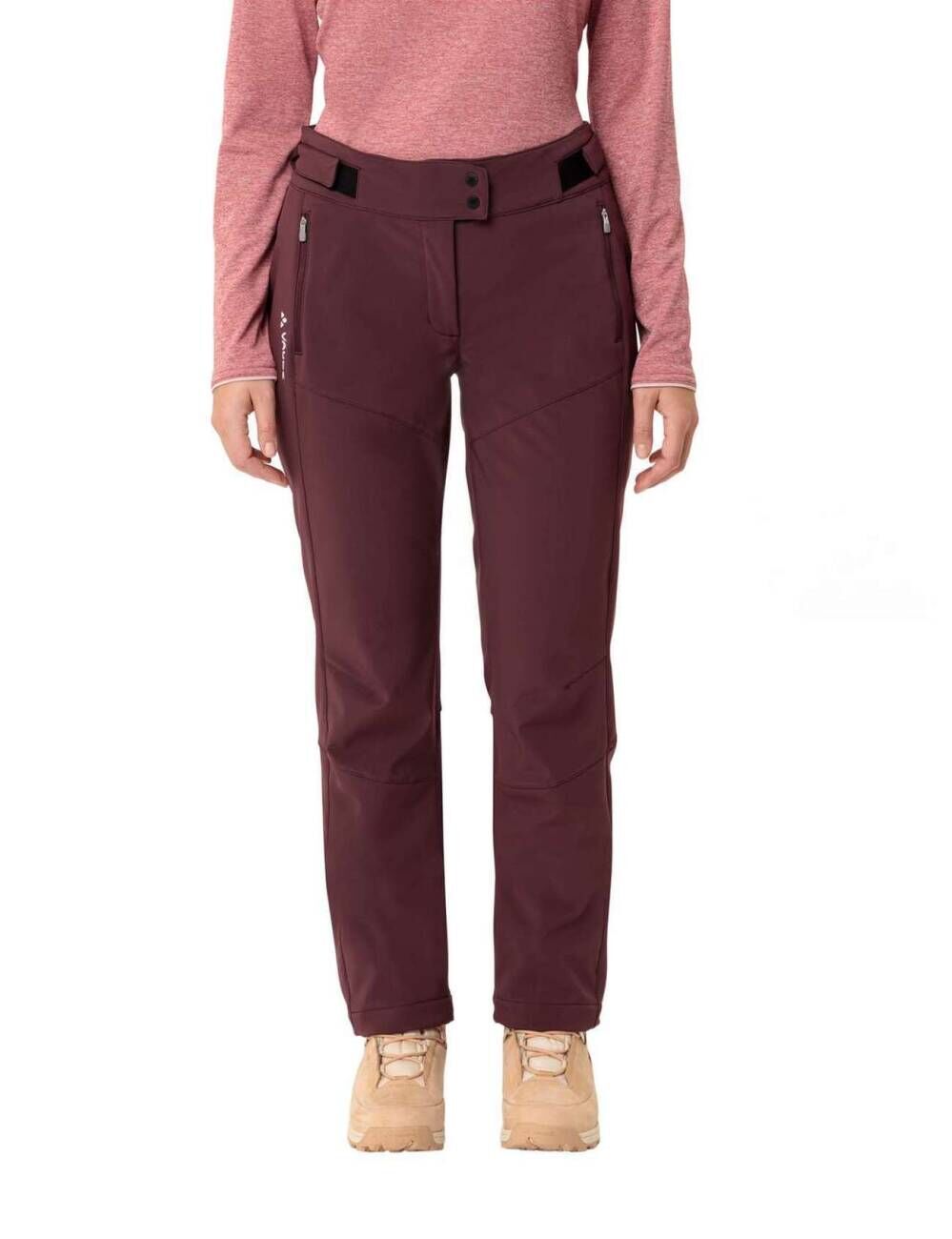
Elope Women's Softshell 46342
Women's trekking · mobility- Construction
- Softshell, PU membrane
- Technical detail
- 89% polyester, 11% elastane
Elope is a women's-cut technical softshell with a stretchy main fabric and polyurethane membrane. It is a useful alternative for walkers who want a fit designed around women's sizing and freedom of movement in cooler conditions.
Keep in mind: Do not choose women's hiking trousers by waist measurement alone. Hip fit, inside-leg length and room for a base layer are equally important.
Explore this model →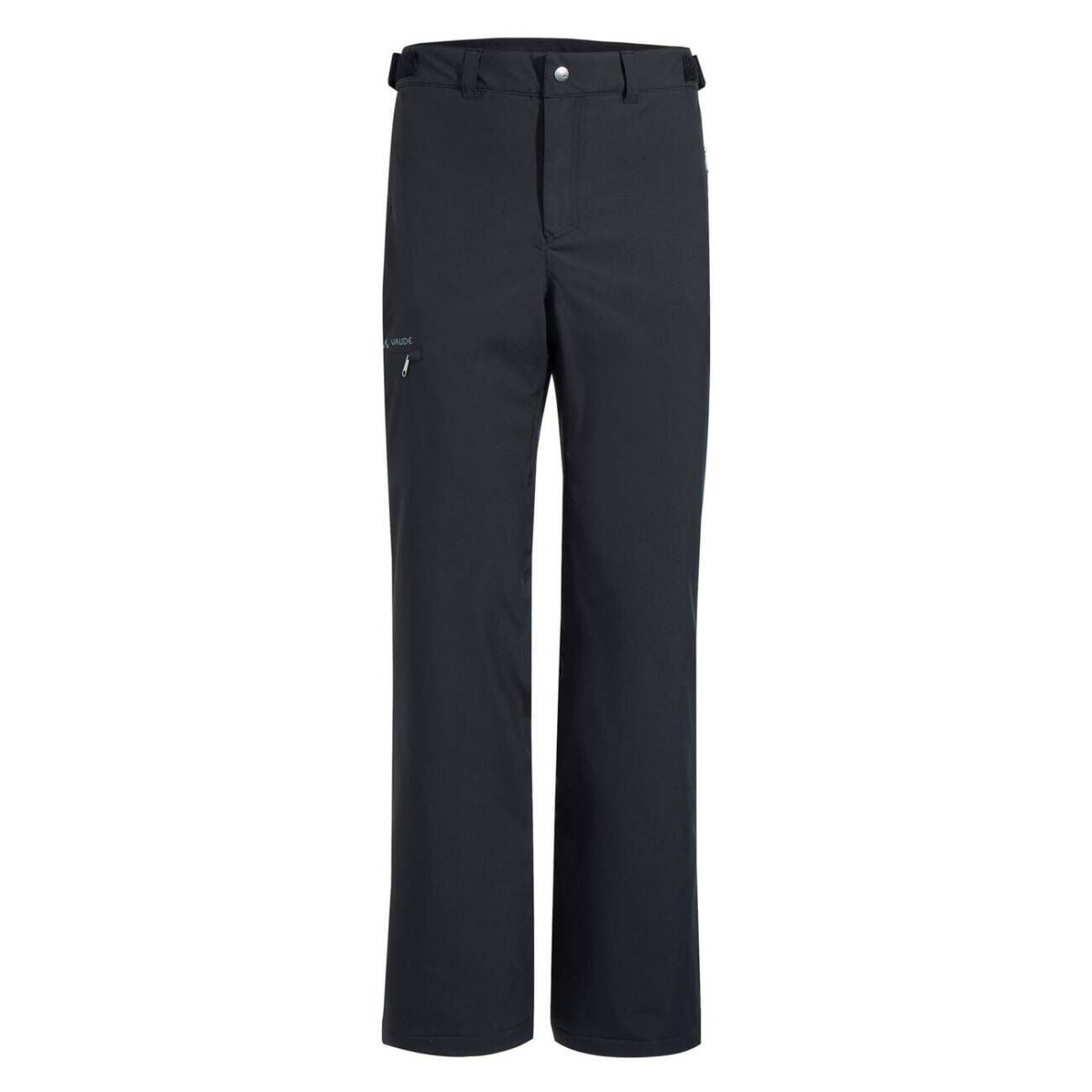
Strathcona 41761
Snowy routes · insulation- Construction
- Two-layer construction, integrated gaiters
- Technical detail
- PrimaLoft® Black Insulation Eco, 40 g/m²
Strathcona combines a lined, two-layer construction with integrated gaiters. The product description specifies wind and water protection and PrimaLoft® Black Insulation Eco at 40 g/m². It is relevant when snow and longer periods in cold conditions make both weather protection and insulation important.
Keep in mind: Insulation can help during slower activity, but a steep climb may demand better heat management. There is no universal temperature rating for individual comfort.
Explore this model →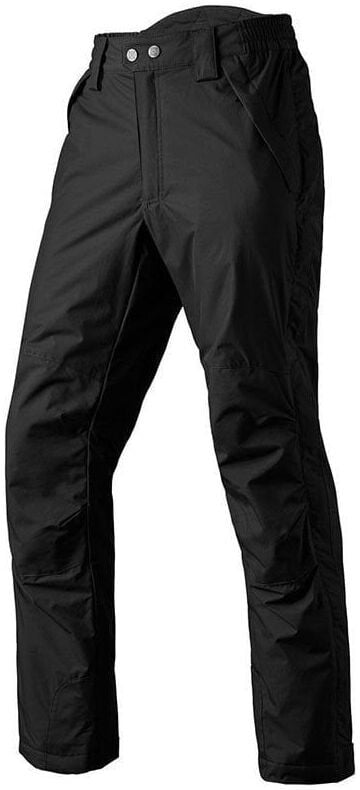
Bastion
Technical shell · demanding weather- Construction
- 2L DWR shell, PrimaLoft® Silver Eco
- Technical detail
- 5K/10K waterproofness / breathability
Bastion combines a two-layer outer shell with PrimaLoft® Silver Eco insulation, reinforced knee and rear-leg panels, adjustable hems and integrated gaiters. It represents a more technical option when substantial weather protection and robust construction are priorities.
Keep in mind: A short, dry day hike may not require this level of construction. More technical features do not automatically mean a more comfortable choice for every route.
Explore this model →For women's outdoor trousers, compare waist, hip and inside-leg measurements together when looking at Elope or other models in the women's outdoor pants collection. Strathcona and Bastion are options for those who want insulation and more substantial outer protection in a single garment.
These are not independently field-tested rankings or a list ordered by sales. Each model is included for its documented specifications and the type of use it addresses. Availability and sizes can change, so check the individual product page before buying.
Winter hiking pants comparison table
Rather than comparing fabric thickness alone, look at garment construction, intended use and the technical details actually provided. This table puts the eight models side by side without inventing missing waterproof ratings or comfort temperatures.
| Model | Fabric / construction | Best suited to | Technical distinction |
|---|---|---|---|
| Bushlove Peak Pro Winter | Fleece-lined stretch fabric | Everyday wear, dry cold | No hydrostatic-head rating stated |
| Bushlove Crane | Membrane + fleece | Windy, wet trails | 10,000 mm hydrostatic head |
| High Mountain Alpin | Membrane + fleece | Exposed, windy walks | 10,000 mm hydrostatic head |
| Evolite Blackhole | Evotex® + fleece | Rocky trails, winter trekking | Reinforced knees and rear |
| Evolite Helinox | Evotex® + fleece | Active trekking | Knee reinforcement, four zipped pockets |
| VAUDE Elope Women's | PU membrane softshell | Women's trekking | Stretch main fabric |
| VAUDE Strathcona | Two-layer shell + insulation | Cold, snowy conditions | 40 g/m² PrimaLoft® Eco |
| 5.11 Bastion | 2L shell + insulation | Demanding weather protection | 5K/10K, integrated gaiters |
How to read the comparison
The stated water-column ratings on Crane and Alpin provide a point of comparison for fabric water resistance. Blackhole and Helinox, however, offer other useful features, including mobility and knee reinforcement. Elope has a women's-specific cut, a distinction that cannot be reduced to fabric specifications alone. Strathcona and Bastion offer features such as integrated gaiters, outer-shell protection and insulation.
When looking for the best-quality outdoor trousers, resist the temptation to judge them by brand names or the number of technical terms in the description. A highly technical garment that does not suit your activity may be a worse choice than a simpler, more comfortable model.
What makes a high-quality pair of winter hiking pants?
Understanding quality means looking beyond the wording on a fabric label to the practical details of the garment. A model that works well for everyday walks may not meet the demands of a different winter route.
1. Mobility at the knees, hips and crotch
When walking, you extend your legs, bend at the hips and raise your knees to step over rocks or fallen trees. Stretch fabrics, articulated knees and an appropriate crotch cut support these movements. During a fitting, do not just stand in front of the mirror: squat and take a high step as if climbing onto a rock. Fabric pulling at your kneecap or a waistband slipping down can become uncomfortable on a long walk.
2. How the lining manages warmth
In fleece-lined trousers, the texture of the inner surface and the overall construction matter. The warmth you feel standing still is different from what you feel climbing uphill. A very thick lining may cause excessive sweating during fast hiking. For a slower activity with frequent stops in the cold, insulation can be more useful.
3. Membrane and seam construction
Hydrostatic head describes resistance to water pressure at the fabric level. The entire pair of trousers also includes seams, pocket zippers, the waist and hem openings. In membrane-equipped garments, a saturated outer fabric may affect perceived comfort and moisture transfer. Following the manufacturer's care instructions is part of maintaining the garment's intended performance.
4. Pockets, zippers and reinforced areas
Zippers you can operate with gloves, pockets that keep their contents secure, and easy access to a belt can all make a difference in winter. More pockets are not automatically better: a loaded cargo pocket that restricts knee movement can be inconvenient on a long walk. Reinforced knees and lower legs are useful where abrasion is more likely.
5. Hem fit and the right inside-leg length
The hem should not bunch excessively over the boot, grip the ankle too tightly or pull upwards as you move. Integrated or separate gaiters can help limit snow entering the boots. Where the trousers do not have gaiters built in, compatible external gaiters can be helpful on snow-covered routes.
What should you wear under winter hiking pants?
Layering your legs matters just as much as layering your upper body. A thermal base layer sits close to your skin, while the trousers handle one or more of mobility, insulation and weather protection. Instead of expecting one thick garment to do everything, build a system that you can adjust as the weather and your activity change.
A close-fitting layer that supports moisture management without restricting movement. Choose merino or synthetic fabric according to your activity.
Mobility, lining, membrane and protection. Select a fleece-lined or softshell model according to your route.
A suitable shell and gaiters when sustained precipitation or snow calls for them. The hems need to work with your boots.
Matching thermal underwear to outdoor trousers
On a brisk walk, a lightweight thermal legging that manages moisture without squeezing your legs can be useful. In colder conditions or at a slower pace, additional insulation may make sense. Leave sufficient room around the hips and knees when wearing thermal underwear under your trousers; overly tight layers can restrict movement. Explore the thermal base layer collection or the thermal underwear buying guide (in Turkish).
Why your boots and gaiters are part of the system
When snow enters through the top of a boot, foot comfort can deteriorate quickly. Higher-cut outdoor boots and trousers of the right length help at this transition; separate gaiters may be appropriate when conditions require them. Water-resistant trousers cannot compensate for footwear that is unsuitable for your route. Explore the outdoor hiking boots and outdoor gaiters collections to complete your layering system.
Technical pants alone do not provide a complete safe clothing system for severe cold or heavy snow. Weather forecasts, route planning, spare dry layers, appropriate footwear and relevant experience must be considered together. For technical mountaineering, plan your clothing and equipment according to the demands of the route and your experience.
Winter hiking pants sizing: Should you buy one size up?
Going up a size is not automatically the right answer. Different brands have different cuts, waist measurements and inside-leg lengths. Compare your measurements with the product's own sizing chart. The goal is comfortable movement without excessive fabric or unnecessary bulk.
Check while standing and sitting
The waistband should be adjustable within a sensible range. There should not be excessive pressure around your waist or hips when sitting.
Try a squat and a high step
Lift one knee and squat. Check that the fabric does not pull against your leg, the crotch does not feel tight, and the waistband stays in place.
Try on the layers together
Wear the thermal base layer you intend to use on the trail. An excessively tight fit can limit the stretch and movement of both garments.
Try them with your actual boots
The hems should not bunch too much, pull upwards as you step or become cramped when worn with gaiters.
How to wash and care for winter hiking pants
Start with the garment's own care label. After a muddy walk, avoid leaving damp trousers sealed away for a long time. Air them out and remove accumulated dirt from pockets and zippers. Remove detachable belts and accessories if the manufacturer recommends doing so.
For membrane-equipped or water-repellent garments, follow the manufacturer's directions on detergent, fabric softener, washing temperature and drying. High heat or unsuitable chemicals can affect the fabric or its treatment. When water repellency declines, use a suitable care product; restoring a surface treatment will not repair a damaged membrane.
Clean and dry your trousers thoroughly before storage. For more guidance on looking after outdoor equipment, see the camping equipment storage guide (in Turkish).
Seven common mistakes when buying winter hiking pants
- 1. Assuming the thickest pair is best in every situation. During vigorous activity, excess sweat can leave you colder when you stop. Balance insulation with your pace.
- 2. Confusing water repellency with full waterproofness. Membranes, seams and zippers are different aspects of construction. Read the model's actual specifications.
- 3. Assuming all models from a brand have the same features. Fabrics, fit and insulation vary. Compare models individually.
- 4. Leaving no room for a thermal base layer. Try the layers together. Avoid restricting stretch or hip and knee movement.
- 5. Choosing by waist measurement alone. Inside-leg length, hip fit and knee shape also influence trail comfort.
- 6. Forgetting compatibility with boots and gaiters. Hems that are too wide or too short can increase exposure to snow and mud.
- 7. Choosing technical features you do not need. An insulated outer shell may be unnecessary for an everyday walk. A simple fleece-lined pant, on the other hand, may not be enough in severe winter weather.
Winter hiking pants: Pre-purchase checklist
Work through these points before choosing a model. Once you have defined your needs, read the relevant product specifications and size chart again to make a more informed decision.
Frequently asked questions
Which brand makes the best winter hiking pants?
No single brand is best in every situation. Bushlove and High Mountain offer fleece-lined and softshell options, Evolite has models for active trekking, VAUDE offers technical outdoor and women's-cut designs, and 5.11 provides options for more demanding weather protection. Compare the specific model rather than the brand name alone.
What are the warmest winter hiking pants?
Warmth depends on fleece lining, insulation, wind, moisture, your base layer and your activity level. Compare insulated options such as VAUDE Strathcona and 5.11 Bastion with fleece-lined softshells according to your intended conditions. No universal temperature guarantee applies to individual comfort.
Can fleece-lined pants be worn in the snow?
Yes, provided their outer fabric is suitable for the conditions. Wet snow, wind and the duration of exposure matter. Fleece lining alone does not make trousers waterproof. For sustained precipitation, consider a suitable shell and protection around the boot openings.
Are softshell pants enough for winter hiking?
They can be, depending on the model, your pace and the weather. A fleece-lined softshell with a membrane provides a different level of protection from a lightweight, membrane-free softshell. Severe cold or sustained precipitation may require additional layers.
What does a 10,000 mm waterproof rating mean?
It describes the fabric's resistance to water pressure under a hydrostatic-head test. It does not guarantee that the entire garment, including seams and zippers, will keep you dry in every situation. Check the rest of the garment construction as well.
Are winter trekking pants suitable for everyday wear?
Many stretchy, fleece-lined outdoor trousers work for both everyday winter wear and gentle hikes. More technical shells with reinforcement, insulation and integrated gaiters may add unnecessary bulk for everyday use.
Should I wear thermal underwear under winter hiking pants?
Not always. A thermal base layer can help in colder conditions, during long breaks or when your personal comfort needs demand it. On vigorous climbs, too much insulation can lead to overheating and sweating.
What should I look for in women's winter hiking pants?
Compare waist, hip and inside-leg measurements with the brand's own sizing chart. Stretch, the shape of the crotch, hem fit and room for a base layer also matter. Women's-cut models such as VAUDE Elope provide a relevant starting point.
Are winter hiking pants and tactical pants the same?
No. Some models are designed for both outdoor and tactical use, but not every tactical pant has insulation or weather protection suited to winter hiking. Check the season, fabric, membrane and lining of the specific model.
Find winter hiking pants for your next trail
From everyday cold-weather walks to snow-covered trekking routes, compare different cuts, fabrics and levels of technical protection in the Ersin Outdoor collection. Decide which features your route requires, then choose the right model and size.
Explore outdoor hiking pants →