Best Hiking Shoes for 2026: 10 Models, with Lomer in Focus

Best Hiking Shoes for 2026: 10 Models, with Lomer in Focus
A good pair of hiking shoes should feel dependable long after the first few miles. It needs to fit your foot properly, hold its shape on uneven ground and suit the kind of walking you actually do. A light shoe for a summer trail is not the same tool as a protective mid boot for wet, rocky routes — and a waterproof membrane cannot make an unsuitable fit comfortable.
For this guide, we looked at ten models currently represented in the Ersin Outdoor footwear range. Six are from Lomer Italy, a brand worth a closer look for its comfort-led designs, leather options and range of low-cut and mid-cut footwear. The remaining four give useful points of comparison from Garmont, Keen and Scarpa.
If you are reading the Turkish version of this subject, you can also visit our original Turkish guide. This English edition is a separate, expanded buying guide rather than a line-by-line translation.
- Quick recommendations by use
- Ten hiking shoes and boots at a glance
- Side-by-side comparison
- Why give Lomer a closer look?
- Six Lomer models, six different jobs
- Four alternatives from other brands
- Fit, sizing and foot shape
- Low-cut shoe or mid-cut boot?
- Waterproof membranes: what they do and what they do not
- Outsoles, Vibram and real-world grip
- Match the shoe to the route
- Care and maintenance
- Common buying mistakes
- Pre-purchase checklist
- Frequently asked questions
Quick recommendations by use
Start with the problem you want the shoe to solve. These are useful starting points, not universal rankings; fit and personal comfort still decide whether a model is right for you.
Look first at the Lomer Forest Premium Extra Wide. Its product specification identifies an Extra Wide fit.
Compare the Lomer Maipos and Bio Naturale for low-cut, flexible options.
The Lomer Gravity Mid MTX combines a mid-cut shape with the brand's Extra Comfort approach.
The Lomer Marmolada Mid MTX adds a PU rand and a firmer, more protective construction.
Compare waterproof options such as Lomer MTX, Garmont G-Dry, GORE-TEX and KEEN.DRY against your climate and pace.
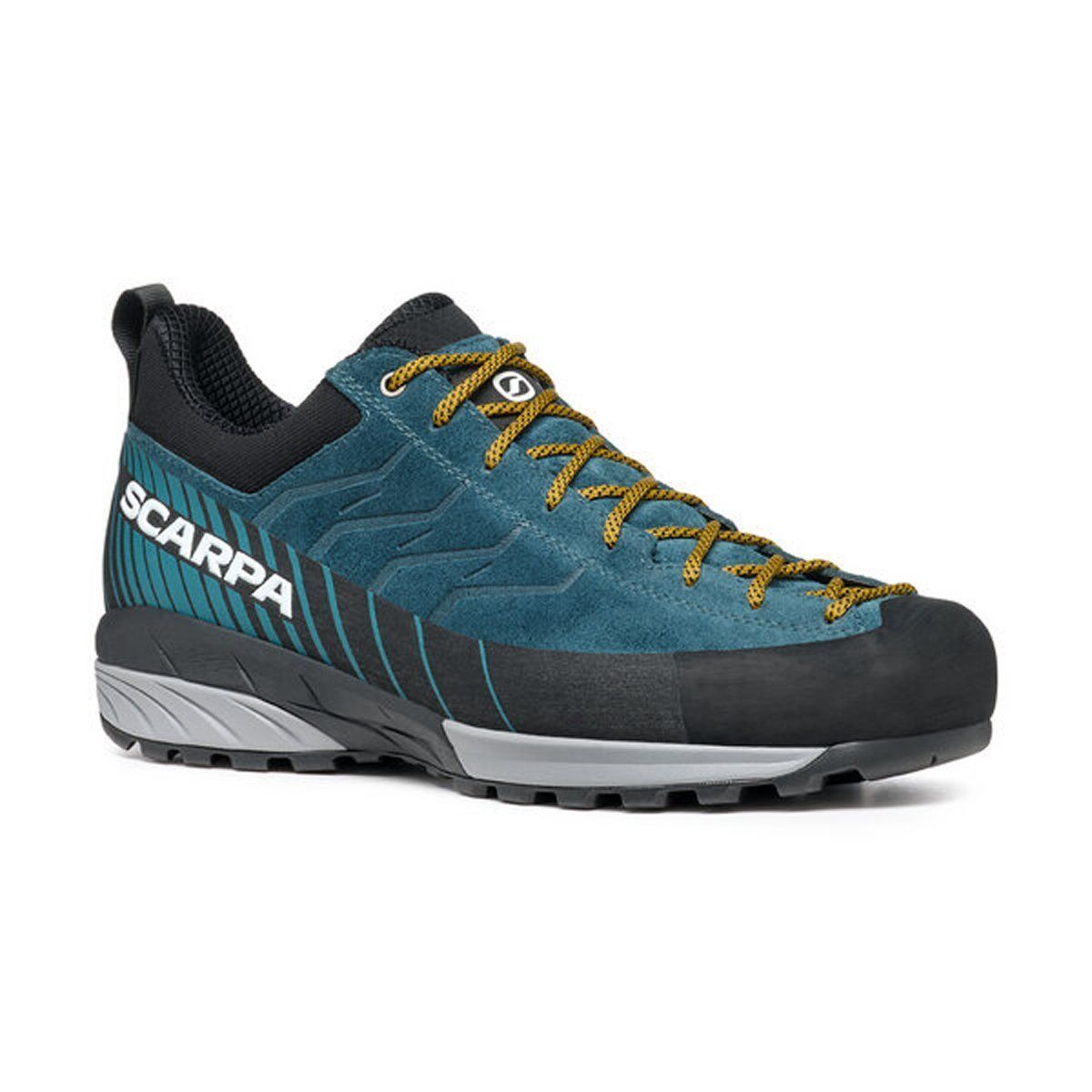
Look beyond ordinary hiking boots. The Scarpa Mescalito GTX is an approach shoe, built for a more precise style of movement.
Ten hiking shoes and boots at a glance
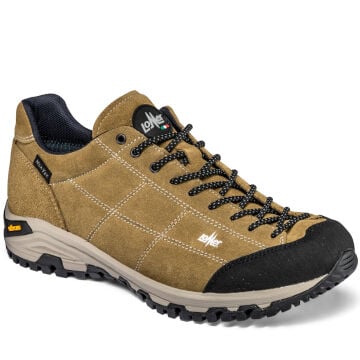
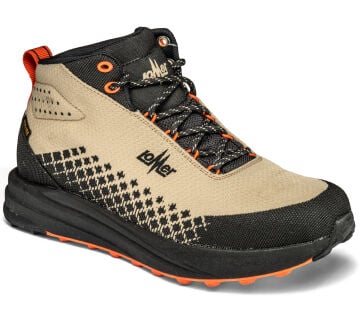
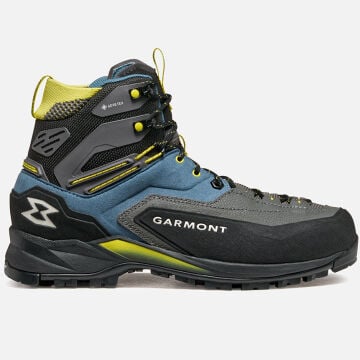
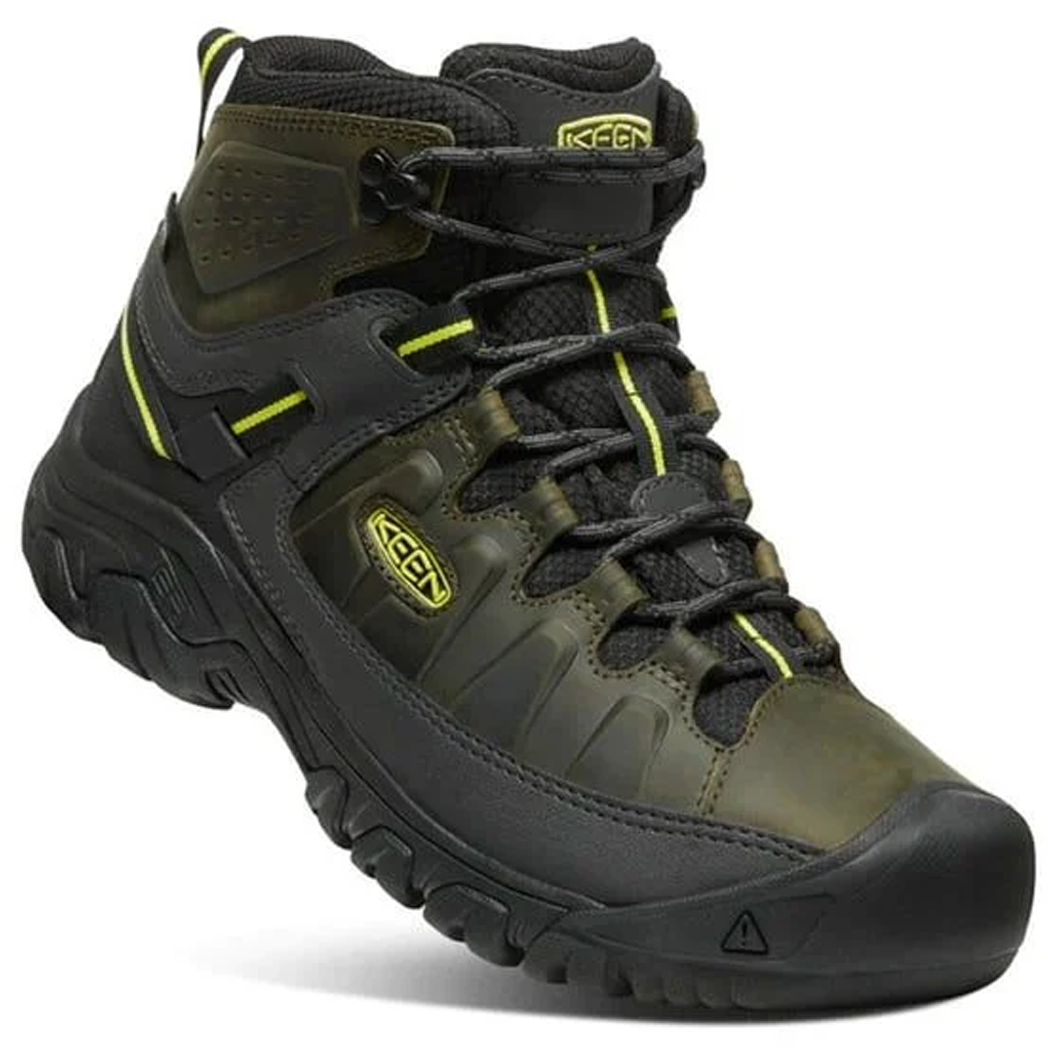
The product collage below brings together the ten models discussed in this guide. The first six are Lomer options, selected because they cover noticeably different needs: wide-fit comfort, lighter low-cut walking, everyday versatility and more protective mid-cut designs.





Side-by-side comparison
The table focuses on the specifications that affect real use. We have not filled gaps with guesses: where the current product listing does not state a weight or a technical detail clearly, it is left out. We also avoid treating all waterproof membranes or all Vibram compounds as identical.
| Model | Cut | Upper / membrane | Outsole / midsole | Listed weight | Best suited to |
|---|---|---|---|---|---|
| Lomer Forest Premium Extra Wide | Low | Nubuck leather / Mer-Tex | Vibram rubber / EVA | Not stated | Wide forefeet, daily wear, travel and light hiking |
| Lomer Maipos Suede MTX | Low | Suede leather / Mer-Tex | Vibram rubber / EVA | 360 g (EU 41, one shoe) | Day hikes, travel and flexible everyday use |
| Lomer Bio Naturale MTX | Low | Suede leather / MerTex | Vibram rubber / flexible midsole | 345 g (EU 41) | City-to-trail use and long mixed-surface walks |
| Lomer Sella II MTX | Low | Nubuck / Cordura tongue / MerTex | Vibram rubber / EVA | 370 g (EU 41) | Everyday wear, travel and easier trails |
| Lomer Gravity Mid MTX | Mid | Perspair technical textile / Mer-Tex | Vibram rubber / EVA | Not stated | Comfort-focused walking and light trekking |
| Lomer Marmolada Mid MTX | Mid | Suede leather / Mer-Tex | Vibram rubber / PU midsole | 450 g (EU 42, one shoe) | More protective mixed-terrain walking |
| Garmont Oron WP Mid | Mid | Microbuck and polyester mesh / G-Dry | GTF Enduro rubber / EVA | 515 g (UK 8, one shoe) | Day hikes and light trekking in wet weather |
| Garmont Akron Mid GTX | Mid | Suede and microfibre / GORE-TEX | Michelin Offroad / Ortholite footbed | Not stated | Demanding trails and technical approaches |
| Keen Targhee III Mid | Mid | Leather and performance mesh / KEEN.DRY | KEEN.ALL-TERRAIN rubber / EVA | 456.4 g (listing reference) | General hiking and mixed trail use |
| Scarpa Mescalito GTX | Low approach shoe | 1.8 mm suede and mesh / GORE-TEX | Vibram Megagrip / EVA | 400 g (EU 42, one shoe) | Rocky approaches and technical trail access |
Weights are quoted from the relevant product listings and refer to the stated sample size where provided. They are not directly comparable unless the size and measurement basis match. Product specifications, available sizes and stock can change; check the linked product page before ordering.
Why give Lomer a closer look?
Lomer's brand story reaches back to 1975 and puts Italian design and walking comfort at its centre. What makes the current range interesting is not that every shoe does the same job, but that the collection includes several different constructions: soft low-cut walkers, wider-fit shoes, comfort-oriented models and more protective mid boots.
That distinction matters. A light, flexible shoe can feel excellent on a town-to-trail day but may not be the right tool for a rough route with a heavy pack. A firmer boot may offer more protection, yet feel unnecessarily bulky on a warm, easy path. The useful question is not simply whether Lomer is a good brand; it is which Lomer construction fits your route and your foot.
Six Lomer models, six different jobs
1. Lomer Forest Premium Extra Wide MTX — for a wider forefoot
If standard hiking shoes tend to squeeze the ball of your foot, the Forest Premium Extra Wide is the Lomer model to investigate first. Its product specification explicitly identifies an Extra Wide fit, which is more useful than simply buying a longer size and hoping the extra length solves a width problem.
The current listing describes a premium nubuck upper, a Mer-Tex waterproof and breathable membrane, a Vibram rubber outsole, an EVA midsole and a removable insole. That combination makes it a versatile option for daily wear, travel, light trekking and walking on established trails.
Who should consider it: walkers with a broad forefoot, people who spend long hours on their feet, and anyone who wants one shoe for town, travel and moderate outdoor use.
Keep in mind: Extra Wide does not mean every foot will fit. Check heel hold and instep volume as carefully as toe-box width. A shoe can be roomy at the front and still feel loose around the heel if the shape is wrong for your foot.
2. Lomer Maipos Suede MTX — a flexible low-cut option
The Maipos is a sensible starting point for people who prefer a low-cut shoe and do not need a stiff mountain boot. The product listing describes a soft suede leather upper, Mer-Tex lining, a Vibram rubber outsole with an EVA midsole and a 1.5 mm nylon anti-torsion element. Its listed weight is 360 g for one EU 41 shoe.
The shoe is described for everyday use, travel and walking on trails. Its flexible character is part of the appeal: it is designed to move more naturally than a rigid trekking boot. That can make it pleasant for regular walks and lighter routes, particularly when you value a lower, less enclosing shoe.
Who should consider it: day hikers, travellers and walkers who want a comfortable low-cut shoe for a mixture of pavement, park paths and moderate trails.
Keep in mind: a flexible low shoe is not a substitute for a more protective boot on rough, steep terrain or when carrying a heavy load.
3. Lomer Bio Naturale MTX — city-to-trail versatility
Bio Naturale is another low-cut option, but its construction has a few details worth noting. The current product description lists a first-class suede upper, MerTex membrane, a lightweight and flexible midsole, a Vibram rubber outsole and a protective edge made from 100% recycled PU. The listed weight is 345 g for EU 41.
The lacing extends towards the toe, allowing a more adjustable fit across the forefoot. The listing also mentions two lace options: an elastic lace and a conventional cotton lace. That small detail can make the shoe easier to adapt to different preferences, although the fit should always be tested with the socks you plan to wear.
Who should consider it: someone who wants one low-cut shoe for everyday walking, travel and longer walks on both paved and unpaved paths.
Keep in mind: the protective PU rand is a useful feature, but it does not turn a low-cut shoe into a full mountain boot. Choose footwear according to the terrain rather than the product name alone.
4. Lomer Sella II MTX — a versatile low-cut shoe
Sella II sits between casual use and easier outdoor walking. Its product description lists a nubuck upper, a Cordura tongue, a MerTex waterproof and breathable lining, a Vibram rubber outsole and an EVA midsole. The listed weight is 370 g for one EU 41 shoe.
The low-cut design keeps the shoe less enclosing than a mid boot. The lacing system helps you adjust the fit, while the removable footbed gives you the option to use a compatible replacement insole if needed. The product page describes the model for city use, tactical use, daily wear and trail walking.
Who should consider it: someone who wants a practical everyday shoe that can also handle regular walks and easier outdoor routes.
Keep in mind: if your routes are consistently rocky, steep or loaded with a heavy backpack, compare it with a mid-cut boot before deciding.
5. Lomer Gravity Mid MTX — comfort with mid-cut coverage
Gravity Mid is the comfort-focused boot in this group. The listing describes a Perspair technical textile upper, a Mer-Tex waterproof membrane, a Vibram rubber outsole and an EVA midsole. It also identifies the model as a mid-cut design and describes its Extra Comfort approach as developed with input from orthopaedic specialists.
The product page states a Mer-Tex water-column rating of at least 15,000 mm. That is a useful model-specific figure, but it should not be treated as a guarantee that every shoe will remain dry in every situation. Fit, wear, care and the condition of the membrane all matter.
Who should consider it: walkers who prefer a more enclosing mid-cut shape and put comfort high on their list for daily walking and light trekking.
Keep in mind: the Gravity Mid is presented as a comfort-led outdoor boot, not as a rigid mountaineering boot. For demanding alpine routes, compare the support and sole stiffness you actually need.
6. Lomer Marmolada Mid MTX — a more protective walking boot
Marmolada Mid has a more protective construction than the low-cut models above. The current listing describes a suede leather upper, Mer-Tex lining, Vibram rubber outsole, PU rand protection, a 3 mm nylon anti-torsion element and medium stiffness. Its stated weight is 450 g for one EU 42 shoe.
The PU rand helps protect the lower edge of the upper from knocks and abrasion, while the mid-cut shape covers more of the ankle area than a low shoe. That does not prevent ankle injuries, but it can give a more enclosing feel and better protection from trail debris. The shoe is a more natural match for mixed terrain than for smooth city-only walking.
Who should consider it: hikers who prefer a mid boot, want more protection around the lower upper and regularly walk on uneven paths.
Keep in mind: it is heavier and more structured than the low-cut Lomer options. Try it with your usual hiking socks and check that the heel stays secure on descents.
Four alternatives from other brands
7. Garmont Oron WP Mid — day trekking with G-Dry
Oron WP Mid is a mid-cut hiking boot built around a G-Dry waterproof membrane, a GTF Enduro rubber outsole and a single-density EVA midsole. Its upper combines 1.6 mm microbuck material with polyester mesh. The listing gives a weight of 515 g for one UK 8 shoe and describes a regular fit.
It is positioned for day hikes, light trekking and mixed terrain. The a.d.d. anatomical design and controlled lacing are intended to help the shoe sit securely on the foot without feeling like a stiff mountain boot.
Who should consider it: someone who wants a mid-cut waterproof hiking boot for day walks and moderate routes.
8. Garmont Akron Mid GTX — for more demanding terrain
Akron Mid GTX moves towards a more technical use case. The product page lists a GORE-TEX membrane, a Michelin Offroad outsole, a suede and microfibre upper, an Ortholite footbed and a Heel Lock system designed to help keep the heel in place. Its a.d.d. construction uses an asymmetric lacing layout and anatomical tongue.
The product description also mentions mountain hiking, via ferrata and approach routes. That is a broader and more technical brief than an everyday walking shoe. It is worth considering when the route itself demands a more secure, protective platform.
Who should consider it: experienced hikers who regularly walk on rougher terrain and want a more technical mid boot.
9. Keen Targhee III Mid — a general-purpose hiking boot
The Targhee III Mid uses a KEEN.DRY waterproof and breathable membrane, a leather and performance-mesh upper, a KEEN.ALL-TERRAIN rubber outsole and an EVA midsole. The listing also notes 4 mm multi-directional lugs, a TPU heel-capture system and a removable PU footbed.
Those features make it a useful comparison for hikers who want a familiar mid-cut boot for general trail use. The outsole lug pattern, heel structure and cushioning are all worth checking against the terrain and the shape of your foot.
Who should consider it: walkers looking for a general-purpose waterproof boot for mixed trails and regular hiking.
10. Scarpa Mescalito GTX — an approach shoe, not a conventional trekking boot
Mescalito deserves a place in the comparison, but it is important to describe it accurately: this is a technical approach shoe. The product listing describes a 1.8 mm suede and polyester-mesh upper, GORE-TEX lining, Vibram Megagrip outsole and EVA midsole. Its listed weight is 400 g for one EU 42 shoe.
The more precise fit and grippy outsole make sense when a route involves rocky approaches or access to climbing terrain. That same character may feel less relaxed than a conventional hiking shoe over long, easy distances. Think of it as a specialist option for technical access routes, not the default choice for every weekend walk.
Who should consider it: hikers and climbers who need precise footing on rocky approaches and technical trail sections.
Fit, sizing and foot shape: the part you should never skip
Even an excellent outsole and a high-quality membrane cannot compensate for a poor fit. A shoe that is too short can press the toes on descents; one that is too long can let the foot slide forward. A narrow forefoot can cause pressure around the toes, while a loose heel can create friction and hot spots.
Leave enough space for your toes to move naturally. On a descent, your toes should not repeatedly strike the front of the shoe.
The heel should stay reasonably secure when you walk uphill and downhill. Excess movement can create friction.
Your toes should not be squeezed from the sides. If you need a much longer size just to gain width, try a wider last instead.
Check pressure over the top of the foot. Lacing should let you adjust the shoe without creating a painful pressure point.
Try shoes later in the day, when feet may be slightly larger, and wear the socks you expect to use on the trail.
If possible, test the shoe on a ramp or slope. A fit that feels fine on a flat floor can change on a descent.
For a more detailed explanation of forefoot width, Wide and Extra Wide fits, toe-box shape and heel hold, see our wide-foot outdoor shoe guide.
Low-cut shoe or mid-cut boot?
The difference is not simply that one is for summer and the other is for winter. Cut height changes coverage, feel and the way the shoe interacts with your ankle area, but it does not by itself determine stability or injury prevention.
| Consideration | Low-cut hiking shoe | Mid-cut hiking boot |
|---|---|---|
| Coverage | Leaves more of the ankle area exposed | Covers more of the ankle area |
| Feel while walking | Often lighter and less enclosing | Often feels more protective and structured |
| Typical use | Day walks, travel, established trails and lighter loads | Mixed terrain, wet routes and walkers who prefer more coverage |
| Trade-off | Less protection from trail debris around the ankle | Can feel warmer, heavier or more restrictive |
Choose the cut you can walk in comfortably for the full length of your route. A mid boot is not automatically safer for every person, and a low-cut shoe is not automatically unsuitable for rough terrain. The fit, outsole, midsole stiffness, load and terrain all matter. For a deeper comparison, read Trekking Shoe or Outdoor Boot?.
Waterproof membranes: what they do and what they do not
Many of the models in this guide use a waterproof, breathable membrane. Lomer uses Mer-Tex on the models listed here; Garmont Oron uses G-Dry; Garmont Akron and Scarpa Mescalito use GORE-TEX; Keen Targhee III uses KEEN.DRY.
These names identify different proprietary constructions. They should not be treated as interchangeable laboratory ratings. One model may publish a water-column figure while another does not. Unless the manufacturer or product page gives a directly comparable test, it is better not to declare one membrane universally superior.
- Water protection: a membrane helps limit water entering through the upper, but water can still enter over the collar or through damaged seams and materials.
- Breathability: breathable does not mean cool in every climate. Heat, pace, socks and the shoe's overall construction all affect comfort.
- Maintenance: dirt, worn treatments and poor drying habits can affect the performance of the upper and its water-repellent finish.
- Season: a waterproof shoe can be useful in wet and cool conditions, but a non-membrane shoe may feel more comfortable in hot, dry weather.
For a more focused discussion of waterproof footwear, see our waterproof outdoor and trekking shoe guide.
Outsoles, Vibram and real-world grip
Vibram is a well-known outsole manufacturer, but the word “Vibram” alone does not tell you exactly how a shoe will behave on every surface. Grip depends on the rubber compound, lug shape, lug depth, spacing, midsole stiffness, shoe geometry and the condition of the ground.
For example, a sole designed for a rocky approach may prioritise precision and sticky rubber, while a general hiking outsole may use deeper, more widely spaced lugs to shed mud. A shoe that grips well on dry rock may feel different on wet roots, smooth stone or loose gravel.
- Look at the lug pattern and the surfaces you walk on most often.
- Check whether the outsole has a defined heel area for controlled descents.
- Consider how stiff the midsole feels under the forefoot and through the arch.
- Replace or resole footwear when the tread is worn enough to affect traction.
Our separate Vibram outsole guide explains the technology in more detail. The key point here is simple: judge the complete sole design, not the brand name printed beside it.
Match the shoe to the route
| Your usual route | What to prioritise | Models worth comparing |
|---|---|---|
| City walking, travel and easy paths | Comfort, flexibility, fit and manageable weight | Lomer Maipos, Bio Naturale, Sella II |
| Wide forefoot or toe-box pressure | Last shape, forefoot width and secure heel hold | Lomer Forest Premium Extra Wide |
| Day hikes in changeable weather | Water protection, outsole grip and all-day fit | Lomer Maipos, Garmont Oron, Keen Targhee III |
| Mixed, uneven trails | Protection, sole platform and a secure fit | Lomer Marmolada Mid, Garmont Oron |
| More demanding mountain routes | Support, precision, protection and route-specific footwear | Garmont Akron; assess the route before choosing |
| Rocky approaches and climbing access | Precise fit, sticky rubber and a climbing-oriented toe area | Scarpa Mescalito GTX |
If you carry a heavy backpack, cross rough ground or spend long hours on steep descents, do not choose only by weight. A very light shoe may not provide the structure you want, while a stiff boot can be unnecessary on a simple day walk. Be realistic about the routes you actually take.
Care and maintenance: keep the upper and membrane in good condition
Leather and suede footwear needs regular care, but aggressive cleaning can do more harm than good. Follow the product's care instructions and use products suitable for the specific upper material.
- Brush away dried mud with a soft brush before it becomes embedded in the material.
- Remove the insole and let the shoe dry naturally after a wet walk.
- Avoid placing leather footwear directly beside a heater or using intense heat to speed up drying.
- Use a cleaner and water-repellent treatment compatible with suede, nubuck or textile uppers.
- Check the outsole, laces, eyelets and seams periodically, especially before a longer trip.
- Do not assume a waterproof membrane removes the need for upper-material care.
Common buying mistakes
- Choosing by brand alone. Even within one brand, models can have very different lasts, stiffness and intended uses.
- Buying a larger size to solve a width problem. The extra length can make the heel less secure.
- Assuming every waterproof shoe is equally breathable. Construction and climate make a difference.
- Believing a mid-cut boot prevents ankle injuries. Cut height is not a substitute for good foot placement, strength or route judgement.
- Choosing the deepest lugs for every surface. Tread design should match the ground you walk on.
- Ignoring the socks you will wear. A fit tested with thin everyday socks may change with thicker hiking socks.
- Skipping the downhill test. Toe pressure often appears when the foot moves forward on a descent.
- Buying a technical approach shoe for ordinary long-distance walking. A precise, climbing-oriented fit may not suit every foot or every route.
- Assuming a membrane makes a shoe suitable for every season. Hot, dry conditions may favour a more breathable non-membrane option.
- Leaving maintenance until the shoe leaks. Clean and care for the upper before long trips, not after damage appears.
Pre-purchase checklist
Frequently asked questions
Are Lomer shoes suitable for hiking?
Several Lomer models in the current range are designed for walking, travel and outdoor use. Maipos and Bio Naturale are low-cut options; Gravity Mid and Marmolada Mid offer more ankle coverage. The right choice depends on the route, load and fit rather than the brand name alone.
Which Lomer model is worth trying for wide feet?
The Forest Premium Extra Wide MTX is the clearest starting point because its product specification explicitly identifies an Extra Wide fit. Still, check heel hold, instep volume and toe-box shape during a proper try-on.
What is the difference between Mer-Tex and GORE-TEX?
Both names refer to waterproof, breathable membrane systems, but they are different constructions. Do not assume their ratings or performance are identical. Compare the specific shoe's published specifications, fit and intended use.
Is a Vibram outsole always better?
Not automatically. Vibram makes different compounds and outsole designs. Grip depends on the rubber, lug pattern, ground conditions, shoe geometry and wear. A sole should be judged by how its design matches the route.
Should I buy hiking shoes or mid-cut boots?
Low-cut shoes are often lighter and less enclosing, while mid-cut boots cover more of the ankle area and may feel more protective. Neither cut is right for everyone. Choose based on fit, terrain, load and personal preference.
Can waterproof hiking shoes be worn all year?
They can be useful in wet and cool conditions, but waterproof footwear may feel warmer in hot weather. For dry summer routes, a lighter and more breathable non-membrane shoe may be more comfortable.
How much space should I leave in front of my toes?
There should be enough room for your toes to move without hitting the front of the shoe on descents. The exact amount depends on foot shape, shoe design and how the heel is held. Test the fit on a slope if possible.
Is the Scarpa Mescalito GTX a normal hiking boot?
No. It is an approach shoe designed for rocky access routes and technical movement. Its precise fit and grippy outsole can be useful in that setting, but it is not the default choice for every long-distance hike.
Choose footwear for the route you actually walk
Compare the current Lomer range with other outdoor footwear, check the model specifications and choose a shoe that fits your foot as well as your plans.
Explore Lomer Italy Browse outdoor footwearEditorial note: Product details in this guide are based on the linked Ersin Outdoor product listings at the time of writing. Product specifications, colour options, available sizes and stock can change. Always confirm the latest information on the product page before ordering.